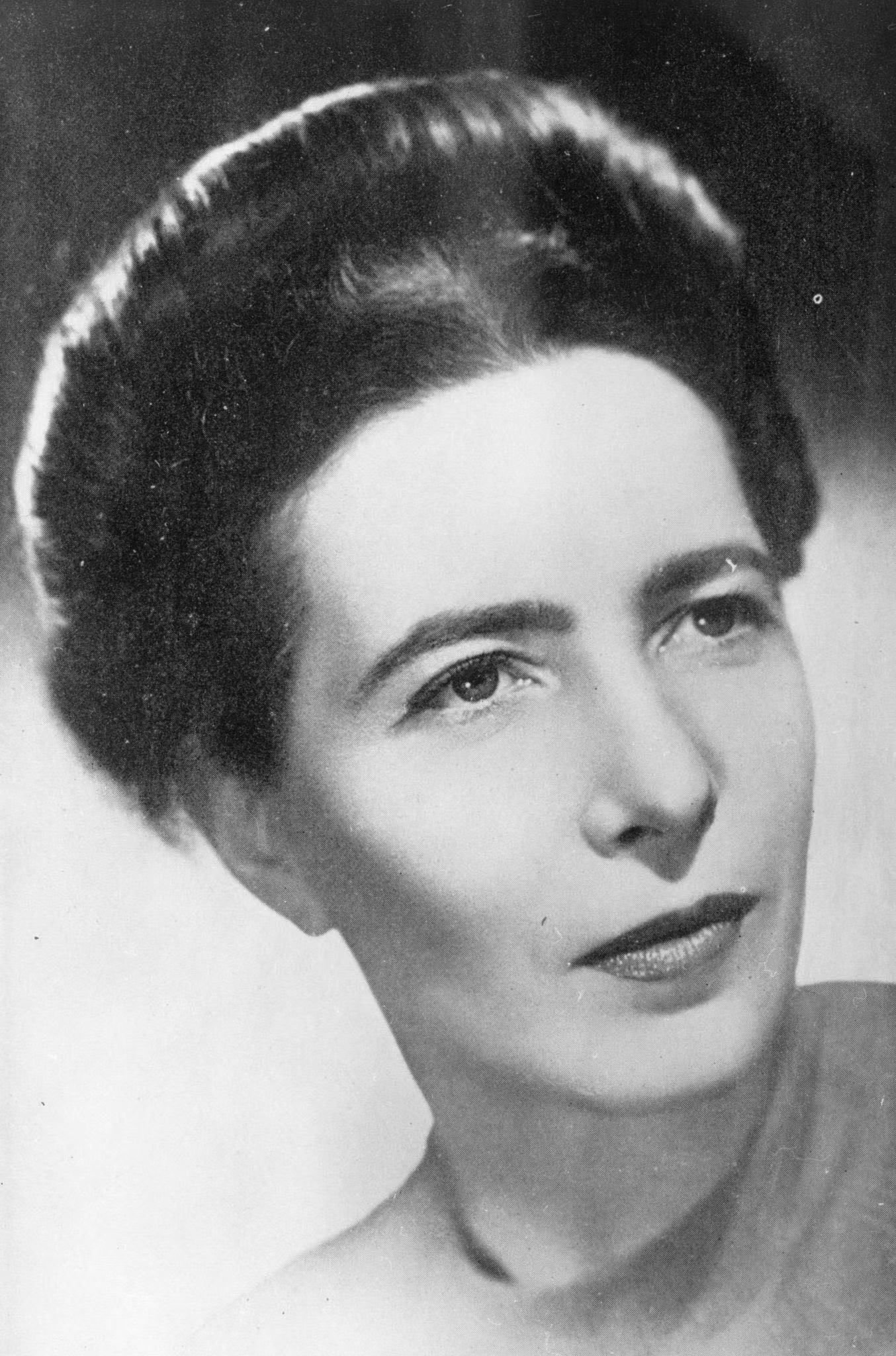
Simone de Beauvoir
Born on January 9, 1908, in the heart of Paris, France, Beauvoir’s life unfolds as a narrative of profound intellectual exploration, characterized by an unswerving commitment to unraveling existential truths and dismantling the societal constraints that encircle women’s lives.
Beauvoir’s academic journey commenced at the venerable Sorbonne, where the threads of her philosophical tapestry began to intertwine with those of Jean-Paul Sartre. This partnership, a cornerstone of existentialist thought, laid the groundwork for a collaborative pursuit of freedom, personal responsibility, and the essence of existence. The intellectual dialogue between Beauvoir and Sartre became the crucible from which her subsequent philosophical and literary masterpieces would emerge.
In 1949, Beauvoir etched her name into the annals of feminist philosophy with the groundbreaking treatise “The Second Sex.” This magnum opus dissected the patriarchal underpinnings of women’s oppression, transcending conventional academic discourse to deliver a resounding call for women to break free from societal expectations and seize control over their destinies.
Simultaneously, Beauvoir’s literary endeavors cemented her status as a virtuoso of letters. Works like “She Came to Stay” (1943), “The Mandarins” (1954), and “The Blood of Others” (1945) showcased her ability to seamlessly weave existential themes into intricate narratives. Beauvoir’s exploration of human relationships and the complexities of existential angst resonated with readers, further solidifying her literary legacy.
Beyond her philosophical and literary pursuits, Beauvoir’s foray into journalism added another layer to her multifaceted career. Her incisive essays, published in prestigious outlets, spanned topics ranging from political engagement to the nuances of existentialist philosophy. This journalistic engagement served as a bridge between academic discourse and a broader readership, demonstrating Beauvoir’s acute understanding of the role of the press in shaping public dialogue.
Beauvoir’s personal life mirrored the principles she championed in her works. Her unconventional relationship with Sartre, marked by intellectual collaboration and a rejection of societal norms, mirrored her advocacy for reproductive rights and a fearless embrace of personal freedom.
While Beauvoir’s intellectual contributions garnered acclaim, she was not impervious to critique. Debates within feminist circles, spurred by her relationship with Sartre and her views on motherhood, revealed her willingness to confront the complexities of lived experience. This fearlessness in engaging with ambiguity underscored her commitment to authentic intellectual exploration.
Simone de Beauvoir’s legacy echoes beyond the confines of any singular discipline. As an icon in the history of women in journalism, her life serves as an inspiration for those who approach intellectual exploration with rigor, unapologetic self-expression, and a steadfast commitment to dismantling societal barriers.
Bergoffen, Debra. “Simone de Beauvoir (Stanford Encyclopedia of Philosophy).” Stanford.edu, 17 Aug. 2004, plato.stanford.edu/entries/beauvoir/.
The Editors of Encyclopedia Britannica. “Simone de Beauvoir | French Writer.” Encyclopædia Britannica, 10 Apr. 2019, www.britannica.com/biography/Simone-de-Beauvoir.
 ©️ 2023 VOXELLE. All Rights Reserved.